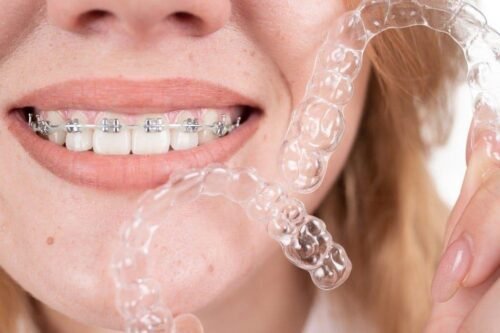
Clear Aligners vs Braces: Which Orthodontic Treatment Is Right for You?Clear aligners vs braces is a common comparison for anyone thinking about orthodontic treatment today. A straight smile is no longer just about appearance. Properly aligned teeth can improve oral health, speech, and overall confidence. With modern dental technology, people now have more choices than …

Clear Aligners vs Braces: Which Orthodontic Treatment Is Right for You?
Clear aligners vs braces is a common comparison for anyone thinking about orthodontic treatment today. A straight smile is no longer just about appearance. Properly aligned teeth can improve oral health, speech, and overall confidence. With modern dental technology, people now have more choices than ever before. The two most popular options are clear aligners and traditional braces.
Many patients ask the same question before starting treatment. Which option is better, clear aligners or braces? The answer depends on several factors, including your dental condition, daily habits, and personal preferences.
Clear aligners are known for being discreet and removable. Traditional braces, on the other hand, have been used for many years and are trusted for treating more complex alignment problems. Both treatments can deliver excellent results when they are carefully planned and supervised by a dental professional.
In this guide, we will compare clear aligners vs braces in detail. You will learn how each treatment works, their benefits and limitations, and how to choose the option that suits your needs. This will help you make a confident and informed decision about your smile.
Understanding Orthodontic Treatments
Orthodontic treatments are designed to move teeth into healthier and more balanced positions. While the goal is the same, clear aligners and traditional braces use different techniques to achieve alignment. Understanding how each option works can make it easier to compare them.
Both treatments apply controlled pressure to the teeth over time. This gradual movement allows the teeth and surrounding bone to adjust safely. The difference lies in how that pressure is delivered and how the treatment fits into daily life.
What Are Clear Aligners?
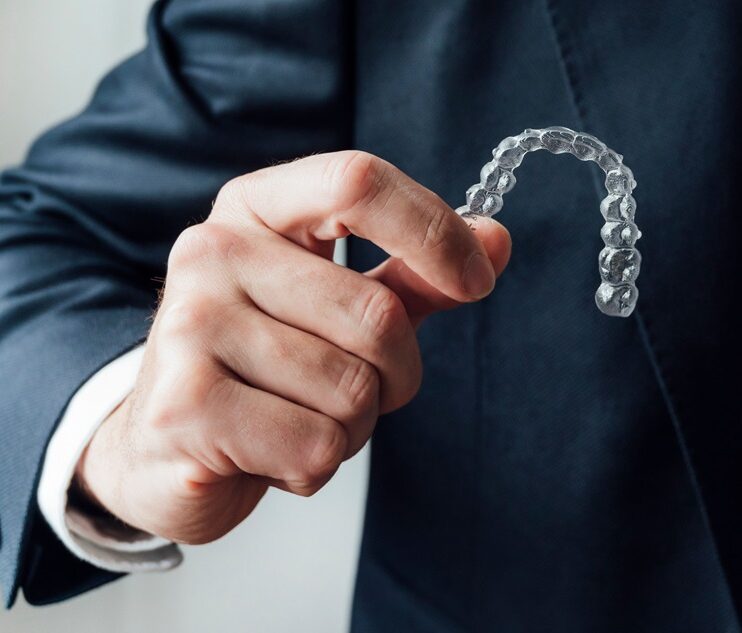
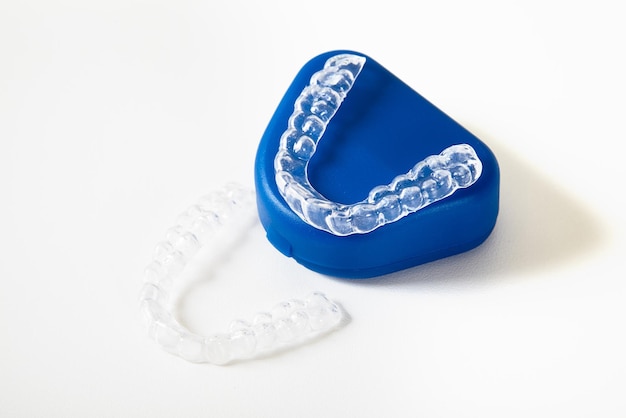
Clear aligners are transparent trays made from durable, medical-grade plastic. Each aligner is custom-made to fit your teeth based on a digital scan. The aligners are designed to move teeth gradually by applying gentle and precise pressure.
Treatment begins with a detailed digital assessment. A series of aligners is then created, with each set worn for a specific period before moving to the next one. As you progress through the series, your teeth slowly shift into their planned positions.
One of the main benefits of clear aligners is that they are removable. You can take them out while eating, brushing, and flossing. For effective results, aligners must be worn for most of the day, usually between 20 and 22 hours.
Clear aligners are commonly used to treat mild to moderate alignment issues. These include crowded teeth, gaps, and certain bite concerns.
What Are Traditional Braces?
Traditional braces are fixed orthodontic devices attached directly to the teeth. They are made up of brackets that are bonded to each tooth and connected by wires. Elastic bands may also be used to guide tooth movement.
Once braces are placed, they remain on the teeth throughout the entire treatment period. Regular adjustment visits are needed to tighten or change the wires. These adjustments help guide the teeth into proper alignment over time.
Because braces are fixed in place, they work continuously without requiring daily effort from the patient. This makes them especially effective for more complex dental cases, such as severe crowding, bite problems, or jaw alignment issues.
Traditional braces have been used for many years and remain a reliable option for both teenagers and adults.
Clear Aligners vs Braces: Core Differences
When comparing clear aligners vs traditional braces, the main differences come down to appearance, comfort, and daily convenience. Both treatments are effective, but they offer very different experiences during the treatment process.
Understanding these differences can help you decide which option fits your lifestyle and expectations.
Appearance and Aesthetics
- Clear aligners are almost invisible when worn. Their transparent design makes them a popular choice for people who want a discreet orthodontic solution. Most people will not notice that you are wearing aligners unless they look closely.
- Traditional braces are more visible. Metal brackets and wires can be seen when you smile or speak. While some patients do not mind this, others may feel self-conscious, especially in professional or social settings.
For patients who value subtle treatment, clear aligners often feel like the more comfortable choice.
Comfort and Oral Experience
- Clear aligners are designed with smooth edges that fit closely over the teeth. This reduces irritation to the gums and inner cheeks. Some pressure is normal when switching to a new aligner, but it usually fades within a short time.
- Traditional braces can cause discomfort, especially after adjustments. Brackets and wires may rub against the inside of the mouth, which can lead to soreness or small cuts. Dental wax is often used to reduce irritation.
Both treatments may cause temporary pressure as teeth move, but many patients find clear aligners easier to tolerate overall.
Removability and Daily Convenience
Clear Aligners
Clear aligners can be removed when eating, drinking, brushing, and flossing. This makes daily routines easier and helps maintain good oral hygiene throughout treatment. Because aligners are removable, there are no food restrictions, and patients can continue their normal eating habits.
Clear aligners are also travel-friendly and often require fewer in-person clinic visits. Patients may receive multiple sets of aligners in advance, allowing treatment to continue even while traveling. Depending on the monitoring plan, progress can be reviewed with fewer appointments, making aligners a convenient option for busy schedules.
Traditional Braces
Traditional braces cannot be removed until treatment is complete. Regular in-person visits are required for tightening and adjustments, which are essential for continued tooth movement. Patients must also clean carefully around brackets and wires, and certain foods should be avoided to prevent damage.
For people who value flexibility, convenience, and fewer clinic visits, clear aligners offer a clear advantage.
Clear Aligners vs Braces: Side-by-Side Comparison
Treatment Effectiveness: Which Delivers Better Results?
When deciding between clear aligners vs braces, many patients want to know which treatment is more effective. The truth is that both options can produce excellent results when used for the right type of case. The best choice depends on the complexity of the dental issue and how the treatment is managed.
Each method moves teeth in a controlled way, but certain situations respond better to one option than the other.
Cases Best Suited for Clear Aligners
Clear aligners are not limited to simple cases. With proper digital planning and clinical expertise, they can treat a wide range of orthodontic problems, including complex tooth movements. Advances in aligner technology allow dentists to guide difficult movements with precision.
In some situations, a combined approach using clear aligners and braces may be recommended to achieve the best result. Complex aligner cases are increasingly common, and experienced clinicians regularly treat challenging cases using aligners alone or in combination. Examples of complex aligner treatments, including those by specialists such as Dr. Adriana Garro, are widely available online, and similar complex cases are also showcased on our website.
Cases Where Braces May Be More Effective
Traditional braces are often recommended for more complex orthodontic cases. These include severe crowding, significant bite problems, rotated teeth, and jaw alignment issues.
Because braces are fixed to the teeth, they provide continuous pressure without relying on patient effort. This allows dentists to make detailed adjustments and maintain greater control over tooth movement.
For patients with challenging alignment problems, braces can offer more predictable and stable results.
Predictability and Treatment Control
- Clear aligners rely on careful planning and patient cooperation. When worn correctly, they can deliver predictable outcomes for suitable cases. Digital treatment planning helps visualize the final result before treatment begins.
- Braces allow for direct control during each adjustment visit. Dentists can fine-tune tooth movement as needed throughout the treatment process.
Both treatments are highly effective when guided by an experienced dental professional. The key is choosing the option that matches your specific dental needs.
Clear Aligners vs Traditional Braces: Treatment Duration
Treatment time is an important factor for many patients considering orthodontic care. While both clear aligners and traditional braces aim to straighten teeth effectively, the length of treatment can vary based on the method used and the complexity of the case.
There is no fixed timeline that applies to everyone. Individual dental needs play a major role in how long treatment will take.
Average Treatment Time with Clear Aligners
Clear aligner treatment often takes less time for mild to moderate cases. Many patients complete treatment within several months to about two years. The exact duration depends on how much tooth movement is needed.
Because aligners are changed regularly, tooth movement happens in small, controlled steps. Consistent wear is essential. Patients who wear their aligners as instructed are more likely to stay on schedule.
Missed wear time can slow progress and extend the overall treatment period.
Average Treatment Time with Braces
Traditional braces are commonly worn for one to three years, depending on the severity of the dental issue. Complex cases may require a longer treatment period.
Regular adjustment visits are necessary to guide tooth movement. These adjustments help maintain progress, but they can also extend treatment if appointments are missed.
Braces work continuously, which can be an advantage for patients who may struggle with removable appliances.
Does Faster Always Mean Better?
Shorter treatment time does not always mean better results. The focus should be on achieving healthy, stable alignment rather than rushing the process.
Both clear aligners and braces are designed to move teeth safely. The best treatment plan balances efficiency with long-term oral health. A professional evaluation is the best way to understand how long your treatment may take and which option is most suitable for you.
Clear aligners use staged digital planning to guide multiple teeth at the same time. This allows several movements to occur simultaneously in a controlled sequence. Braces typically rely on periodic in-person adjustments, where changes are made at each visit. In many cases, clear aligners can achieve results more efficiently, but treatment speed still depends on case complexity and how consistently the aligners are worn.

Lifestyle Impact: Choosing What Fits Your Routine
Orthodontic treatment affects more than just your smile. It also influences daily activities such as eating, cleaning your teeth, social interactions, and travel. When comparing clear aligners vs braces, lifestyle differences are often a deciding factor.
Understanding how each option fits into your routine can help you choose a treatment you can commit to comfortably.
Eating and Food Restrictions
- Clear aligners are removed before eating. This means there are no food restrictions during treatment. You can enjoy your normal diet without worrying about damaging your orthodontic appliance.
- With traditional braces, certain foods should be avoided. Hard, sticky, and chewy foods can damage brackets or wires. Patients often need to adjust their eating habits to prevent breakage and discomfort.
For people who value dietary freedom, clear aligners offer greater convenience.
Oral Hygiene and Maintenance
- Clear aligners make oral hygiene easier. You can brush and floss normally after removing the aligners. This helps reduce the risk of plaque buildup, cavities, and gum problems during treatment.
- Braces require extra care when cleaning. Food particles can get trapped around brackets and wires, making brushing and flossing more challenging. Special tools may be needed to clean effectively.
Good oral hygiene is important with both treatments, but aligners simplify the process for many patients.
Social Life, Work, and Travel
- Clear aligners are discreet and easy to manage in social and professional settings. Many patients feel more confident speaking, smiling, and attending meetings while wearing aligners.
- Braces are more noticeable and may affect speech slightly at first. Some patients also experience discomfort after adjustments.
For travel, aligners are easy to carry and do not require emergency visits for broken wires or brackets. This makes them a practical choice for people with busy schedules.
Cost Comparison: Clear Aligners vs Braces
Cost is an important consideration when choosing orthodontic treatment. While clear aligners and traditional braces both aim to straighten teeth, their pricing can differ based on several factors. Understanding what influences cost can help set realistic expectations.
It is important to remember that orthodontic treatment is an investment in long-term oral health.
Factors That Affect Treatment Cost
The total cost of orthodontic treatment depends on the complexity of the case. More severe alignment issues usually require longer treatment and more adjustments, which can increase cost.
Other factors include the type of technology used, the duration of treatment, and the level of professional supervision required. Follow-up visits and retainers after treatment may also affect the final price.
Each treatment plan is unique, which is why a professional assessment is necessary for accurate pricing.
Are Clear Aligners More Expensive Than Braces?
Clear aligners are sometimes priced higher than traditional braces, but a higher cost does not automatically mean better results. Pricing can vary based on several factors that are not directly related to treatment quality.
The cost of aligner treatment may reflect the brand used, where the aligners are manufactured, import or logistics fees, and overall clinic operating costs. Some premium systems, such as Invisalign, are priced higher due to international manufacturing, global supply chains, and brand or system fees.
However, there are also high-quality clear aligner systems that are locally manufactured and more cost-efficient. These systems can deliver excellent results when treatment is properly planned and closely monitored.
Regardless of the brand, successful outcomes depend mainly on accurate digital planning, the experience of the dental professional, and consistent follow-up throughout treatment. When comparing costs, it is important to look beyond the price and focus on the overall treatment approach and clinical expertise.
Invisalign As An Example
Invisalign is one example of a premium clear aligner system and is often priced higher due to international manufacturing, import costs, and brand system fees. However, there are other high-quality aligner systems available, including locally manufactured options. Regardless of the brand used, outcomes depend mainly on accurate treatment planning, the experience of the doctor, and proper follow-up throughout the process.
Value vs Investment
Orthodontic treatment should be viewed as a long-term investment rather than a short-term expense. Comfort, convenience, and lifestyle impact all contribute to overall value.
Clear aligners may offer added comfort and flexibility, while braces may provide greater control for complex cases. Both options can deliver lasting results when treatment is completed and retainers are worn as advised.
Choosing the right option means balancing cost with effectiveness and long-term benefits.
Clear Aligners vs Traditional Braces for Adults and Teens
Age plays an important role when choosing orthodontic treatment. While both clear aligners and braces can be used at almost any age, preferences and treatment needs often differ between adults and teenagers.
Understanding these differences can help patients and parents make the right decision.
Why Adults Often Prefer Clear Aligners
Many adults choose clear aligners because they are discreet and fit well into professional and social lifestyles. The nearly invisible design allows adults to straighten their teeth without drawing attention to the treatment.
Clear aligners are also removable, which makes eating, brushing, and flossing easier. This convenience is especially important for adults with busy schedules or frequent social engagements.
For adults with mild to moderate alignment issues, clear aligners often provide an effective and comfortable solution.
Are Braces Better for Teenagers?
Traditional braces are commonly recommended for teenagers, especially when more complex dental issues are present. Since braces are fixed in place, they do not rely on daily removal and reinsertion.
Teenagers may find it challenging to wear aligners for the required number of hours. Braces eliminate this concern by working continuously throughout the day.
In cases where jaw growth is still occurring or significant correction is needed, braces may offer better control and more predictable outcomes.
Pros and Cons Summary
Comparing the advantages and limitations of each treatment can make the decision process easier. Below is a clear summary of the pros and cons of clear aligners and traditional braces.
Pros and Cons of Clear Aligners
Pros:
- Nearly invisible when worn
- Removable for eating and cleaning
- More comfortable with smooth surfaces
- Fewer food restrictions
- Easier oral hygiene
Cons:
- Must be worn consistently for best results
- Not suitable for all complex cases
- Can be misplaced if not handled carefully
Pros and Cons of Traditional Braces
Pros:
- Effective for complex dental issues
- Work continuously without patient effort
- Suitable for a wide range of cases
- Proven long-term success
Cons:
- More visible appearance
- Food restrictions required
- Oral hygiene can be more challenging
- Possible discomfort from brackets and wires
How to Choose Between Clear Aligners and Braces
Choosing between clear aligners and traditional braces is a personal decision. There is no single option that works best for everyone. The right choice depends on your dental needs, lifestyle, and long-term goals.
Taking time to consider these factors can help ensure a successful treatment experience.
Key Questions to Ask Yourself
Start by thinking about your daily routine and preferences. If appearance is important and you want a discreet option, clear aligners may be more appealing. If you prefer a treatment that works without daily reminders, braces may be a better fit.
Consider your ability to follow instructions. Clear aligners require consistent wear to be effective. Braces work continuously and do not depend on daily compliance.
Budget and comfort are also important factors. Understanding what each treatment involves can help you choose an option you can commit to comfortably.
Importance of Professional Consultation
A professional dental consultation is essential before starting any orthodontic treatment. A dentist or orthodontist can assess your teeth, bite, and jaw alignment using digital scans and clinical exams.
Based on this evaluation, they can recommend the most effective treatment for your specific case. Professional guidance ensures that your treatment is safe, efficient, and designed for long-term results.
An expert opinion is the best way to move forward with confidence.
Conclusion
Choosing between clear aligners vs braces depends on your dental condition, lifestyle, and personal preferences. Both treatments are effective when planned correctly and guided by a qualified dental professional.
Clear aligners provide flexibility, comfort, and a discreet way to straighten teeth, while traditional braces remain a strong option for more complex orthodontic cases. Understanding these differences makes it easier to choose the treatment that fits your needs.
If you are exploring clear aligners in Dubai, a professional evaluation is the best first step. At ProAlign Smile Shop, we focus on advanced clear aligner solutions designed to help you achieve a straighter smile with comfort and confidence. Visit our website to learn more and book your consultation to start your smile transformation journey.
Frequently Asked Questions About Clear Aligners vs Braces
Are clear aligners as effective as braces?
Clear aligners can be just as effective as braces for mild to moderate alignment issues. They work best when worn as instructed and planned by a dental professional. For more complex cases, braces may provide better control.
Do clear aligners hurt less than braces?
Clear aligners are often considered more comfortable because they have smooth surfaces and no wires. Some pressure is normal when switching to a new aligner, but it usually fades quickly. Braces may cause soreness after adjustments and can irritate the inside of the mouth.
Can clear aligners fix bite problems?
Clear aligners can correct certain bite issues, especially mild ones. Severe bite or jaw problems may require traditional braces for more precise correction. A professional assessment is needed to determine suitability.
Which treatment is easier to maintain?
Clear aligners are easier to maintain for many patients because they can be removed for brushing and flossing. Braces require more effort to clean around brackets and wires. Both treatments need good oral hygiene for successful results.
Is orthodontic treatment permanent?
Orthodontic results can be long-lasting if retainers are worn as advised after treatment. Teeth can shift over time, so retention is an important part of maintaining a straight smile.