If you’ve been considering straightening your teeth with Invisalign, one of the first questions that likely comes to mind is: “How much is this going to cost me?” And honestly, that’s a smart place to start. Invisalign has become one of the most popular alternatives to traditional braces thanks to its nearly invisible design, comfort, …


If you’ve been considering straightening your teeth with Invisalign, one of the first questions that likely comes to mind is: “How much is this going to cost me?” And honestly, that’s a smart place to start.
Invisalign has become one of the most popular alternatives to traditional braces thanks to its nearly invisible design, comfort, and flexibility. However, unlike fixed braces, Invisalign pricing isn’t one-size-fits-all. On average, treatment can range anywhere from $3,000 to $8,000 globally, depending on your specific dental needs, the complexity of your case, and the provider you choose.
What many patients don’t realize is that Invisalign isn’t sold directly to consumers. It’s developed by Align Technology, the company behind the aligners, which supplies them to dentists and orthodontists rather than patients. These providers pay a base cost (often called a lab fee) that covers the custom aligners, digital treatment planning, and manufacturing.
From there, your dentist builds the final treatment cost by factoring in their clinical expertise, consultation time, follow-up visits, and clinic overhead. This is why prices can vary significantly from one provider to another, even for similar cases.
By the end, you’ll have a clear understanding of what to expect and how to make the best decision for your smile and your budget.
Average Invisalign Cost (What You Can Expect to Pay)
Invisalign does not have a universal price. The cost can vary depending on your location, dental needs, and the provider you choose. However, understanding the general price range can help you set realistic expectations.
It’s important to understand that Invisalign is a standardized product created by a single company that supplies clear aligners to dental clinics and orthodontists, not directly to patients. This means the base cost of the aligners remains relatively consistent. However, the final price you’re quoted can vary from one clinic to another because providers add their own fees to cover factors such as clinical expertise, operational costs, and marketing expenses.
In other words, if you see higher pricing, it’s typically not because Invisalign itself is more expensive, but because the clinic has adjusted its pricing structure based on its services, location, and overall business costs. This is also why treatment costs can differ across cities or countries, even when the aligner system itself remains the same.
In regions like the UAE, treatment often ranges from AED 8,000 to AED 20,000, depending on the severity of the case, clinic location, and other factors that are not necessarily related to treatment quality or the doctor’s experience.
Another important factor that affects Invisalign pricing is the type of treatment plan recommended for your case. Each option is designed for a different level of alignment complexity, which directly impacts both duration and cost.
In regions like Dubai, Invisalign pricing in 2026 typically ranges between AED 7,000 and AED 25,000, depending on the treatment package and the clinic you choose.
Invisalign Cost by Treatment Type
Mild Cases (Invisalign Lite)
- Estimated Cost: AED 7,000 – AED 12,000.
- Best suited for minor crowding, small gaps, or slight relapses after previous treatment.
- Usually involves a limited number of aligners (around 14 sets).
- Treatment duration: approximately 3–6 months.
Moderate Cases (Invisalign Moderate)
- Estimated Cost: AED 9,000 – AED 15,000.
- Designed for more noticeable spacing, crowding, or mild bite concerns.
- Requires more aligners (up to ~26 sets).
- Treatment duration: around 6–12 months.
Complex Cases (Invisalign Comprehensive)
- Estimated Cost: AED 12,000 – AED 25,000.
- Ideal for severe crowding, significant bite corrections, or advanced alignment needs.
- Typically includes unlimited aligners and refinements.
- Treatment duration: 12–24 months or longer.
What’s Usually Included in These Packages?
Most Invisalign treatment plans, especially in well-equipped clinics, are bundled as comprehensive packages. These often include:
- Initial consultation and advanced 3D digital scans (such as iTero).
- A detailed digital treatment preview showing expected results.
- Full series of custom-made aligners and required attachments.
- Regular progress check-ups every few weeks.
- Post-treatment retainers (though some clinics may charge extra).
Payment Flexibility
To make treatment more accessible, many clinics offer flexible payment options, such as
- Interest-free installment plans are spread over several months.
- Buy now, pay later services (like Tabby or Tamara in the UAE).
- Insurance support, although most standard plans classify Invisalign as a cosmetic procedure and may not fully cover it.
It’s also worth noting that the price you see online is usually a general estimate. The only way to get an accurate cost is through a personalized consultation, where your dentist can assess your needs and recommend the most suitable treatment plan.
Invisalign Cost by Treatment Type
Not all Invisalign treatments are priced the same, and that’s because not all smiles require the same level of correction. Invisalign offers different treatment plans tailored to specific dental needs, which directly impacts the base cost.
It’s important to note that the base pricing for each treatment type is largely determined by Invisalign and depends on case complexity. However, the final cost may still vary between clinics due to their individual pricing structures.
In addition to profit margins, clinic overhead and operational costs also play a significant role in pricing. These may include expenses such as clinic location, staff salaries, advanced equipment, and overall infrastructure. Moreover, clinics that invest heavily in branding and marketing may pass those costs on to their treatment pricing. This is why you may notice price differences even for similar Invisalign treatment plans.
Here are the key factors that influence how much you’ll pay:
Complexity of Your Case
The more complicated your dental issues (such as severe crowding, spacing, or bite misalignment), the more aligners and adjustments you’ll need, which can increase the cost. Complex cases often require detailed planning, attachments, and multiple refinements to achieve the desired results. This increases the time and resources required for your treatment.
In contrast, minor alignment issues are quicker to fix and require fewer aligners, making them more affordable.
Treatment Duration
Shorter treatments (a few months) are typically less expensive than those lasting 12–18 months or longer. More time usually means more aligners and follow-ups. Longer treatment durations also involve more monitoring appointments, adjustments, and possible refinements along the way. Each of these contributes to the overall cost.
Additionally, extended treatments require greater commitment and consistency, which can affect the efficiency of the process.
Number of Aligners Required
Each set of aligners is custom-made. If your treatment requires multiple refinements or additional trays, the total cost may increase. The number of aligners is directly tied to the amount of movement your teeth need. More complex shifts require a larger series of trays.
In some cases, patients may need their aligners refined after the initial set, which can be included in the plan or cost extra.
Provider Role and Clinic Experience
In many places, including Dubai, Invisalign treatment is not limited to specialist orthodontists. General dentists can also provide Invisalign, as the system is standardized and supported by the manufacturer’s digital treatment planning.
Unlike traditional braces, where the dentist or orthodontist manually adjusts wires and plays a highly active role throughout treatment. Invisalign relies heavily on pre-planned digital simulations and pre-fabricated aligners. This means the clinical process is more structured, and the provider’s hands-on involvement during treatment is relatively limited compared with conventional orthodontics.
Additional Dental Work
In some cases, you may need extra procedures before or after starting Invisalign treatment, such as:
- Tooth extractions.
- Dental cleaning or reshaping.
- Root canal treatment (if required).
- Post-treatment enhancements like whitening or aesthetic fillings.
These procedures can influence your overall cost, but it’s important to understand how Invisalign pricing is structured. Core elements of Invisalign treatment, such as attachments (buttons) and aligner-related adjustments, are typically included within the treatment package and should not be billed separately.
However, any additional dental work required to prepare your teeth before treatment or to enhance results afterward may involve extra costs. These procedures help ensure your teeth are in the right condition for alignment and support long-term results.
Some specialized clinics also help reduce these additional expenses. For instance, certain providers, such as ProAlign Smile Shop, offer up to 50% off dental services required alongside Invisalign treatment, making it more affordable for patients who need preparatory or follow-up care.
What Does Invisalign Cost Include?
When you receive a quote for Invisalign, it’s important to understand what you’re actually paying for. A higher price doesn’t just mean the aligners; it often includes a full treatment experience.
Here’s what is typically included:
Initial Consultation and Assessment
This is where your dentist evaluates your teeth and determines if Invisalign is right for you. It may include:
- Oral examination
- Digital scans or impressions
- X-rays
This step is crucial for identifying underlying issues and creating an accurate diagnosis. It also helps set realistic expectations for treatment outcomes. A thorough assessment ensures that your treatment plan is both safe and effective from the start.
Customized Treatment Plan
With Invisalign, the treatment planning process is largely handled through advanced digital systems provided by the manufacturer. Instead of being manually created by the dentist, the step-by-step plan is developed using Invisalign’s proprietary technology and software. This plan shows how your teeth will move over time and what your final smile may look like.
This means the aligners and the entire treatment sequence are pre-designed before you even begin. Your dentist’s role is primarily to review the plan, ensure it aligns with your clinical needs, and monitor your progress throughout the treatment.
Custom-Made Aligners
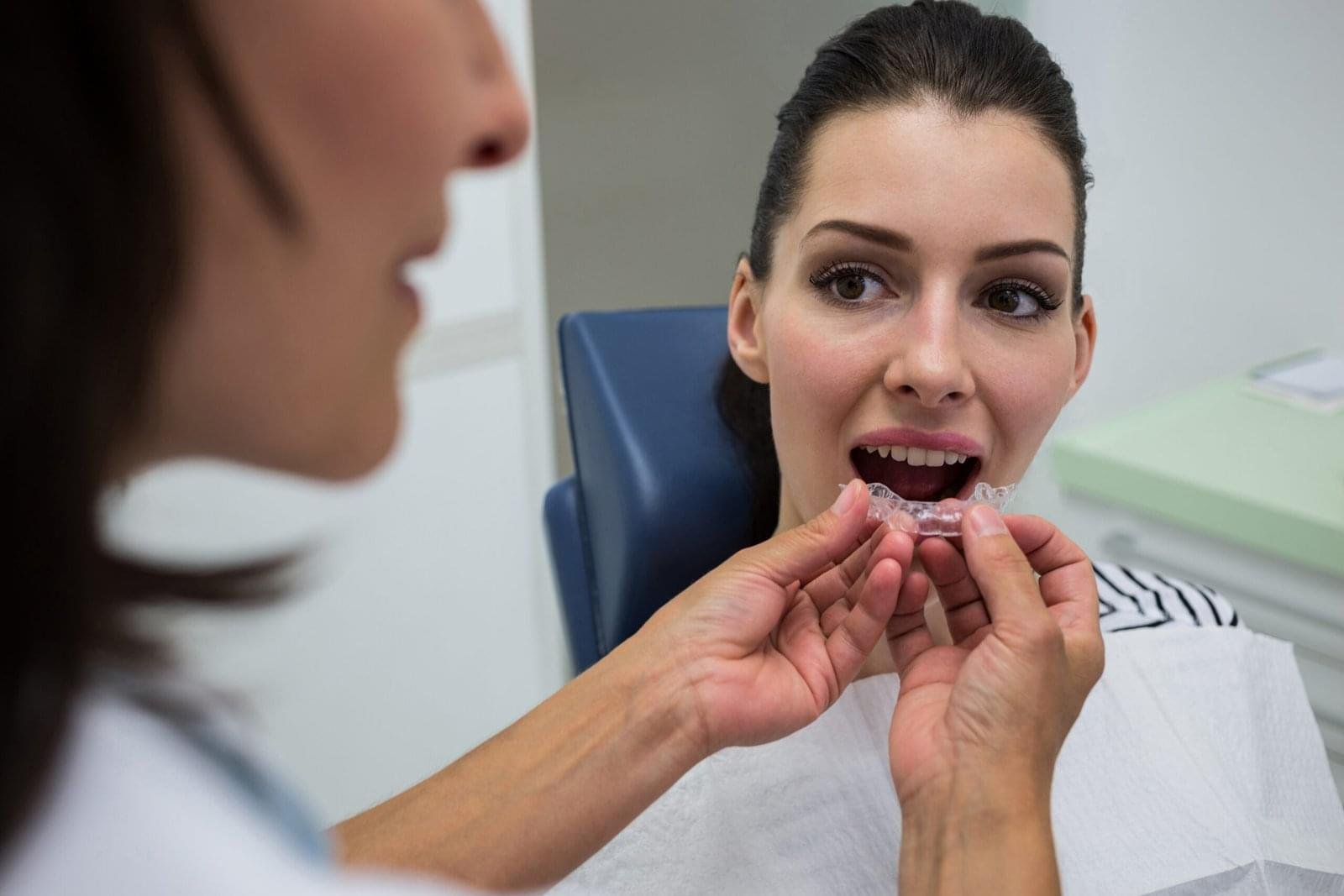
You’ll receive a series of clear, removable aligners designed specifically for your teeth. These are replaced every 1–2 weeks as your teeth gradually shift. Each aligner is crafted using advanced materials to ensure comfort and effectiveness. They apply gentle, consistent pressure to guide your teeth into position.
Because they are removable, they offer greater flexibility than traditional braces.
Regular Check-Ups
Throughout your treatment, you’ll have periodic appointments to monitor progress and ensure everything is on track. These visits allow your dentist to make necessary adjustments and address any concerns early on.
Regular monitoring helps ensure that your treatment stays aligned with the original plan and delivers optimal results.
Attachments and Refinements
Small tooth-colored attachments may be added to improve alignment. If needed, refinement aligners are included (depending on your treatment plan). Attachments help the aligners grip your teeth more effectively, enabling precise movements.
Refinements ensure that even minor imperfections are corrected, giving you a more polished final result.
Retainers (Post-Treatment)
After completing Invisalign, retainers help maintain your new smile. Some clinics include them in the total cost, while others charge separately. Wearing retainers is essential to prevent your teeth from shifting back to their original position.
This final step protects your investment and ensures long-lasting results from your treatment.
Invisalign Cost by Treatment Type
Not all Invisalign treatments are priced the same, and that’s because not all smiles require the same level of correction. Invisalign offers different treatment plans tailored to specific dental needs, which directly impacts the overall cost.
Invisalign Express (Best for Minor Corrections)
This is the most affordable Invisalign option and is designed for very mild alignment issues, such as slight spacing or minor crowding.
- Treatment duration: ~3–6 months.
- Fewer aligners required.
- Ideal for quick touch-ups or relapse cases.
Estimated Cost: AED 3,500 – AED 7,000
Because the treatment is shorter and simpler, it requires fewer clinic visits and less monitoring. This makes it a great option for people who want fast results without committing to a long-term orthodontic plan.
Invisalign Lite (For Mild to Moderate Cases)
Invisalign Lite is suitable for patients who need moderate correction but not a full treatment plan.
- Treatment duration: ~6–12 months.
- Limited number of aligners.
- Mid-range pricing.
Estimated Cost: AED 7,000 – AED 12,000
This option strikes a balance between affordability and effectiveness. It’s often recommended for patients who need noticeable improvements but don’t have complex bite issues.
Invisalign Comprehensive (Full Treatment)
This is the most advanced and complete Invisalign package, designed for complex orthodontic issues such as severe crowding, bite problems, or major alignment corrections.
- Treatment duration: 12–24 months (or longer).
- Unlimited aligners and refinements (in most cases).
- Higher cost due to complexity.
Estimated Cost: AED 12,000 – AED 22,000+
Because it includes ongoing refinements, this option ensures optimal results even if adjustments are needed during treatment. It’s ideal for patients looking for a complete smile transformation. Many orthodontic experts, including specialists like Dr. Adriana Garro, emphasize that selecting the right treatment is crucial for both effectiveness and long-term outcomes.
Important Note:
While these are general cost ranges, the final price may vary slightly depending on the clinic’s pricing structure, expertise, and additional services included in the treatment plan.
Invisalign vs. Other Orthodontic Options (Cost Comparison)
When deciding on Invisalign, it’s helpful to compare it with other orthodontic treatments not just in terms of cost but also comfort, aesthetics, and convenience.
Invisalign vs. Traditional Braces
- Cost: Often similar, though Invisalign can sometimes be slightly higher.
- Appearance: Invisalign is nearly invisible; braces are noticeable.
- Comfort: No wires or brackets with Invisalign.
- Maintenance: Easier oral hygiene with removable aligners.
Traditional braces are highly effective for complex cases, but they come with dietary restrictions and more maintenance. Invisalign, on the other hand, offers flexibility and discretion, making it a preferred choice for adults and working professionals.
Invisalign vs. Ceramic Braces
- Ceramic braces are less visible than metal braces, but they are still fixed.
- Invisalign offers more flexibility since it can be removed during meals.
- Costs are generally comparable, depending on the case.
While ceramic braces blend better with natural teeth, they still involve brackets and wires. Invisalign eliminates these discomforts and allows for a more convenient day-to-day experience.
Invisalign vs. At-Home Clear Aligners
- At-home aligners are usually cheaper.
- However, they lack in-person supervision and customization.
- Invisalign provides clinically guided treatment, making it more reliable for complex cases.
At-home options may seem appealing due to lower costs, but they are best suited for very minor corrections. Invisalign’s in-clinic supervision ensures better safety, accuracy, and long-term results.
Are There Ways to Reduce the Cost of Invisalign?
Yes, while Invisalign can be a significant investment, there are several ways to make it more affordable without compromising on quality.
Opt for Flexible Payment Plans
Many dental clinics offer installment options, allowing you to spread the cost over several months instead of paying up front.
This can make Invisalign much more accessible, especially for those managing monthly budgets. Some clinics even provide interest-free payment options, reducing financial pressure.
Check Your Dental Insurance
Some insurance plans cover a portion of orthodontic treatments, including Invisalign. Even partial coverage can significantly reduce your out-of-pocket expense.
It’s important to review your policy carefully or consult your provider to understand what’s included. In some cases, lifetime orthodontic benefits can be applied to Invisalign treatment.
Look for Seasonal Offers or Promotions
Clinics often run discounts during specific times of the year or offer bundled packages that include retainers and follow-ups.
These promotions can provide excellent value, especially if they include additional services at no extra cost. Keeping an eye out for deals can help you save significantly.
Choose the Right Treatment Plan
If your case is mild, you may not need a comprehensive plan. Choosing a lower-tier option, such as Invisalign Express, can reduce costs.
A proper consultation will help determine the most cost-effective treatment for your needs. Avoid overpaying for a plan that exceeds your requirements.
Compare Clinics (But Don’t Compromise on Expertise)
While it’s tempting to go for the cheapest option, remember that experience and technology matter. A poorly planned treatment may cost more in the long run.
Look for certified providers with proven expertise, as this ensures better results and minimizes the risk of additional expenses later.
Is Invisalign Worth the Cost?
This ultimately depends on your priorities, but for many people, the answer is a strong yes.
Aesthetic Advantage
Invisalign aligners are clear and discreet, making them ideal for professionals, teens, and anyone concerned about appearance.
This allows you to undergo orthodontic treatment without feeling self-conscious in social or professional settings. It’s especially beneficial for those who frequently interact with others.
Comfort and Convenience
- No metal wires or brackets.
- Removable for eating and brushing.
- Fewer emergency visits compared to braces.
The smooth plastic aligners reduce irritation and discomfort commonly associated with traditional braces. Plus, the ability to remove them adds flexibility to your daily routine.
Improved Oral Hygiene
Because you can remove the aligners, it’s easier to maintain proper dental hygiene throughout treatment. This reduces the risk of plaque buildup, cavities, and gum issues that are sometimes associated with fixed braces. Maintaining oral health becomes much simpler.
Long-Term Value
Straight teeth aren’t just about looks; they can improve:
- Bite alignment
- Oral health
- Confidence
Investing in Invisalign can lead to long-term dental benefits, potentially reducing future dental issues and associated costs. It’s not just cosmetic; it’s functional too.
Common FAQs About Invisalign Cost
Here are some frequently asked questions to help clear up common doubts:
Why is Invisalign more expensive than traditional braces?
It uses advanced 3D technology, custom aligners, and detailed treatment planning. Additionally, the convenience, aesthetics, and precision it offers contribute to its premium pricing. You’re paying for both innovation and comfort.
Can the cost vary during treatment?
Yes, additional aligners or refinements may increase the total cost. However, many comprehensive plans include refinements, so it’s important to clarify this with your provider beforehand to avoid surprises.
Is Invisalign covered by insurance?
Sometimes, it depends on your provider and policy. Some plans treat Invisalign the same as traditional braces, while others may have limitations. Always check the details with your insurer.
How do I get an exact cost for Invisalign?
Only a consultation with a dentist or orthodontist can provide an accurate quote. This typically includes a full assessment, digital scans, and a customized treatment plan tailored to your dental needs.
Are cheaper Invisalign alternatives safe?
They may work for minor cases, but they lack professional supervision. Without expert monitoring, there’s a higher risk of misalignment or complications, especially in more complex cases.
Do I have to pay the full amount upfront?
Not necessarily; many clinics offer monthly payment plans. These flexible options make Invisalign more accessible and allow patients to manage costs more comfortably over time.
Does Invisalign include retainers?
Some clinics include them, while others charge separately. Retainers are essential for maintaining your results, so it’s important to confirm whether they’re part of your treatment package.
What happens if I need additional aligners?
This depends on your plan; some include refinements, others may charge extra. It’s always a good idea to discuss refinement policies upfront to understand what’s covered in your treatment cost.
Is Invisalign cheaper for teens than adults?
Not always; the cost depends more on the case’s complexity than on age. However, teens may have specific treatment features that can sometimes slightly influence pricing.
Final Thoughts
Invisalign doesn’t come with a fixed price tag, and that’s actually a good thing. It means your treatment is tailored to your needs.
While the upfront cost may seem high, the combination of advanced technology, comfort, and personalized care makes it a valuable investment. You’re not just paying for aligners; you’re investing in a guided transformation of your smile.
Ultimately, the best way to understand your true cost is to consult a qualified provider who can assess your needs and recommend the most suitable plan.