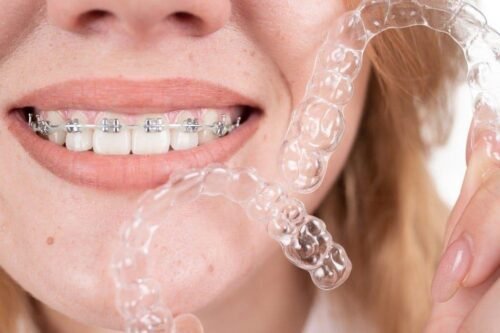
Choosing an orthodontist is no longer just about finding someone who can straighten teeth. For patients in Business Bay, where modern lifestyles, professional appearances, and time efficiency matter, the real question has become far more specific: Who is truly qualified to deliver successful, clear aligner treatment? Clear aligners have transformed orthodontics—but they have also created …

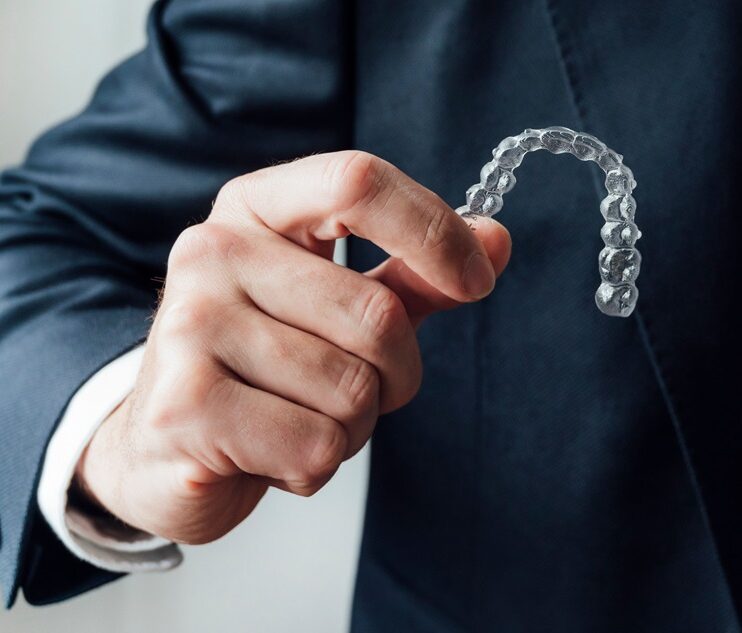
Choosing an orthodontist is no longer just about finding someone who can straighten teeth. For patients in Business Bay, where modern lifestyles, professional appearances, and time efficiency matter, the real question has become far more specific:
Who is truly qualified to deliver successful, clear aligner treatment?
Clear aligners have transformed orthodontics—but they have also created confusion. Many patients assume that any orthodontist, or even any dentist, can provide aligners with the same results. In reality, clear aligner treatment is a distinct orthodontic discipline that requires specialised training, planning expertise, and clinical experience.
This guide explains why choosing an orthodontist specialising in clear aligners is critical, how aligner treatment fundamentally differs from braces, and what truly defines the Best Clear Aligners Clinic in Dubai.
Understanding Orthodontics: Tooth Movement Is a Biological Science
Orthodontic treatment works by applying controlled forces to teeth, stimulating the surrounding bone to remodel. While this principle applies to all orthodontic systems, how those forces are applied and how precisely they are planned makes a profound difference in outcomes.
Traditional orthodontics was built around fixed appliances (braces). Clear aligners represent a completely different biomechanical approach, one that relies heavily on digital planning, sequencing accuracy, and aligner-specific expertise rather than manual chairside adjustments.
Braces vs Clear Aligners: Why the Difference Matters More Than You Think
How Braces Move Teeth
Braces use brackets bonded to teeth and wires that deliver continuous force. The orthodontist:
- Adjusts wires manually.
- Responds to tooth movement as treatment progresses.
- Makes changes chairside over multiple visits.
This system allows for reactive control; the orthodontist can modify forces during treatment.
How Clear Aligners Move Teeth
Clear aligners function entirely differently:
- Tooth movement is pre-programmed digitally before treatment begins.
- Teeth move in small, staged increments using a sequence of aligners.
- Attachments, aligner shape, and biomechanics of staging control.
With aligners, there is no wire to bend later. If the planning is incorrect, the teeth simply won’t move as intended.
This is why the Best Clear Aligners Clinic in Dubai is in demand:
- Advanced digital diagnostic skills.
- A deep understanding of aligner biomechanics.
- Precise treatment planning from the very beginning.
Why You Should Not Choose “Just Any Orthodontist” for Clear Aligners
Many orthodontists are highly skilled, but their expertise may be rooted primarily in the mechanics of braces.
Clear aligner treatment requires:
- Different force systems.
- Different anchorage concepts.
- Different approaches to rotations, torque, and vertical movements.
An orthodontist specialised in braces does not automatically become a clear aligner specialist. Orthodontists like Dr. Adriana Garro specialise in aligner biomechanics and have extensive experience in managing these complex movements, ensuring more accurate and predictable treatment outcomes.”
Clear Aligner Specialist vs Traditional Orthodontist
A clear aligner specialist:
- Plans treatment digitally from start to finish.
- Anticipates tracking issues before they occur.
- Understands which movements aligners can and cannot predictably achieve.
- Minimises refinements through accurate initial planning.
This distinction is critical for achieving:
- Fewer delays.
- Better tracking.
- More predictable final results.
Why General Dentists (GPs) Are Not the Same as Orthodontists
Clear aligners are often marketed as a simple or cosmetic solution for straightening teeth. This has led many patients to believe that any dentist can provide clear aligner treatment. In reality, clear aligners are a form of orthodontic treatment, and orthodontics is a specialised field.
General dentists (GPs) may successfully treat very mild alignment issues, such as small gaps or minimal crowding. However, most orthodontic cases involve more than appearance.
Orthodontic Treatment Goes Beyond Straight Teeth
Orthodontic care focuses on how teeth fit, function, and remain stable over time. This includes:
- Bite correction to ensure upper and lower teeth meet properly.
- Jaw relationships that affect tooth movement and balance.
- Long-term stability to prevent relapse after treatment.
Risks of Aligner Treatment Without Orthodontic Expertise
Without proper orthodontic oversight, clear aligner treatment can result in:
- Bite problems.
- Teeth shifting back after treatment (relapse).
- Poor chewing function or discomfort.
These issues may appear after cosmetic alignment is complete.
Why Orthodontic Oversight Matters
Clear aligners rely on precise digital planning. Orthodontists are trained to diagnose bite issues, plan safe tooth movement, and ensure lasting results. For anything beyond minor cosmetic alignment, orthodontic expertise is essential.
What Truly Defines the Best Clear Aligners Clinic in Dubai?
The phrase ‘Best Clear Aligners Clinic in Dubai’ should never be about branding alone. True excellence is defined by clinical depth, not marketing claims.
1. Clear Aligner–Focused Orthodontic Expertise
The success of clear aligner treatment depends heavily on the orthodontist’s experience with aligner-based mechanics. A specialist clinic demonstrates:
- A high volume of successfully completed clear aligner cases, not just occasional use.
- Proven experience treating mild, moderate, and complex orthodontic concerns.
- Clear aligners are a core focus of the practice, rather than an additional or secondary service.
This depth of experience allows for better case selection, fewer refinements, and more predictable outcomes.
2. Advanced Diagnosis and Digital Planning
Clear aligners rely entirely on accurate diagnosis and precise digital planning. The best clinics prioritise:
- Comprehensive digital scans combined with detailed bite and jaw analysis.
- Individualised aligner staging, carefully planned for each patient, rather than generic software templates.
- Treatment plans that consider facial aesthetics, functional bite, and long-term stability, not just straight teeth.
This level of planning reduces tracking issues and ensures smoother treatment progression.
3. Orthodontist-Led Treatment (Not Delegated Care)
In a specialist clear aligner clinic, treatment is guided by expertise—not automation or delegation. This includes:
- Treatment is designed, reviewed, and monitored directly by the orthodontist.
- Ongoing refinement based on the patient’s biological response to tooth movement.
- Clear communication and realistic expectations regarding timelines and outcomes.
Direct orthodontist involvement ensures both safety and consistency throughout treatment.
Competitor Differentiation: How a Specialist Clinic Stands Apart
Many clinics advertise clear aligners, but not all deliver the same level of care.
What Often Happens in Non-Specialist Clinics
In clinics where clear aligners are offered as an add-on rather than a core orthodontic service, treatment planning may rely heavily on automated systems and limited clinical input. This can lead to:
- Aligner planning delegated to software defaults.
Treatment plans may be generated primarily by automated algorithms, with minimal customisation to the patient’s unique bite, jaw relationship, or biological response.
- Limited understanding of complex tooth movements
Movements such as rotations, vertical corrections, and torque control require advanced biomechanics of the aligner. Without specialist expertise, these movements may be underestimated or poorly staged.
- A higher number of refinements
When initial planning lacks precision, aligners may not track as expected. This often results in repeated refinements, extending treatment time, and increasing patient frustration.
- Treatment delays and compromised outcomes
Poor planning can lead to prolonged treatment, incomplete corrections, or results that appear cosmetically acceptable but lack functional stability.
What a Clear Aligner Specialist Does Differently
A specialist clear aligner clinic approaches treatment as a clinician-led process, not a software-driven one. This involves:
- Manually designing aligner stages rather than relying on automatic plans.
Each stage of tooth movement is carefully reviewed and adjusted by the orthodontist to ensure predictability and biological safety.
- Precise control of attachments and force systems.
Attachments are strategically placed to guide specific movements, improving tracking and reducing the need for refinements.
- Anticipating biological response and compliance challenges.
Specialists plan treatment with real-world factors in mind, including how teeth are likely to respond and how patient compliance may affect progress.
- Prioritising bite stability, not just straight teeth.
A clear aligner specialist ensures that the final result is functionally sound, comfortable, and stable, not merely visually aligned.
The difference lies not in the aligner brand but in who plans and controls the treatment.
The Clear Aligner Patient Journey with a Specialist Orthodontist
Clear aligner treatment is most successful when it follows a structured, specialist-led approach. From the initial consultation to long-term retention, every stage is carefully planned to ensure safe tooth movement, predictable results, and lasting stability.
Comprehensive Consultation
The journey begins with a detailed orthodontic consultation rather than a quick cosmetic assessment. The orthodontist performs high-precision digital scans, evaluates how your upper and lower teeth meet, and analyzes your facial balance. This comprehensive assessment helps identify whether clear aligners are suitable for your case and reveals any underlying bite or jaw concerns that could affect treatment outcomes.
Custom Treatment Planning
Once the diagnosis is complete, the orthodontist designs a fully personalised treatment plan. Aligner stages are carefully sequenced based on your individual biology, tooth movement potential, and treatment goals. Attachments and force direction are planned with precision to achieve controlled movement, while equal attention is given to bite correction and long-term stability, not just straightening teeth.
Active Monitoring
Clear aligner treatment requires continuous orthodontic supervision. Regular reviews allow the orthodontist to confirm that teeth are tracking accurately and responding as expected. Any minor issues are addressed early, helping prevent delays and ensuring treatment stays on schedule. Patient comfort, compliance, and progress are monitored closely throughout this phase.
Refinement and Final Detailing
As treatment nears completion, fine adjustments are often needed to achieve optimal results. This stage focuses on perfecting tooth positions, refining bite contacts, and ensuring both aesthetic balance and functional comfort. Specialist expertise during this phase is essential to deliver a result that looks natural and feels right.
Retention and Long-Term Stability
After active treatment is completed, retention becomes the priority. The orthodontist provides customised retainers and clear guidance on their use to maintain the final result. Long-term stability is carefully planned and monitored to reduce the risk of relapse, ensuring that your new smile remains healthy and stable well beyond the end of aligner treatment.
Common Mistakes Patients Make When Choosing a Clear Aligner Provider
Choosing a clear aligner provider is a decision that can affect not only the appearance of your smile but also your bite, comfort, and long-term oral health. Many patients unknowingly focus on the wrong factors, leading to prolonged treatment or compromised results.
Choosing Based on Price Alone
One of the most common mistakes patients make is selecting a clear aligner provider solely based on cost. While affordability is important, lower fees often reflect limited planning time, reduced orthodontic oversight, or a higher reliance on automated software. Orthodontic treatment is a medical service, and prioritising price over expertise can lead to avoidable complications.
Assuming All Clear Aligner Treatments Are the Same
Not all clear aligner treatments are equal. While the aligner materials may appear similar, the treatment planning, biomechanics, and clinical supervision can vary significantly. The success of aligner treatment depends far more on the orthodontist’s expertise than on the aligner system itself.
Not Asking About Aligner-Specific Experience
Many patients ask whether a provider offers clear aligners, but fail to ask how much experience the orthodontist has with aligner-based treatment. Managing aligners requires a different skill set than braces. An orthodontist with aligner-focused experience is better equipped to handle complex movements, tracking challenges, and refinements.
Overlooking Bite Function and Long-Term Stability
Many patients focus only on straight teeth without considering how those teeth will function together. Proper bite alignment and long-term stability are essential for preventing wear, discomfort, and relapse. Orthodontic treatment should always address both aesthetics and function.
Relying on Marketing Claims Instead of Clinical Credentials
Online advertisements and promotional claims can be misleading. Patients should look beyond marketing language and ask about qualifications, training, and treatment philosophy. Clinical expertise and personalised care matter far more than promises of fast or “easy” results.
Frequently Asked Questions
1. Is clear aligner treatment suitable for everyone?
Clear aligners are suitable for many patients, but not all cases are the same. Mild to moderate alignment issues are often ideal, while more complex cases may require advanced planning or alternative orthodontic approaches. A specialist orthodontic consultation is essential to determine suitability.
2. Why should I choose an orthodontist instead of a general dentist for clear aligners?
Clear aligners are a form of orthodontic treatment that corrects bite and jaw relationships and provides long-term stability. Orthodontists receive specialised training in these areas, making them better equipped to manage complex movements and deliver predictable, lasting results.
3. How long does clear aligner treatment usually take?
Treatment time varies depending on the complexity of the case and patient compliance. Mild cases may take a few months, while more comprehensive treatments can take 12 to 18 months or longer. A personalised timeline is provided after assessment and planning.
4. Are clear aligners as effective as braces?
When planned and monitored by an experienced orthodontist, clear aligners can be just as effective as braces for many cases. The key factor is not the appliance itself, but the expertise behind the treatment plan.
5. What makes a clinic the best clear aligners clinic in Dubai?
The best clinics combine aligner-focused orthodontic expertise, advanced digital planning, orthodontist-led care, and a strong emphasis on bite function and long-term stability, not just cosmetic results.
6. Will clear aligner treatment affect my daily routine?
Clear aligners are designed to fit easily into daily life. They are removable, discreet, and comfortable, making them especially suitable for professionals. With proper planning, treatment requires minimal disruption to work or social activities.
7. Why are refinements sometimes needed during aligner treatment?
Refinements are additional aligners used to fine-tune results. They may be needed if teeth do not move exactly as planned, which can depend on biological response or compliance. Experienced orthodontic planning helps minimise the need for refinements.
8. How do I maintain results after clear aligner treatment?
Retention is essential to prevent teeth from shifting back. Orthodontists provide customised retainers and guidance on long-term wear to ensure results remain stable and healthy over time.
Conclusion
Choosing clear aligner treatment is not just a cosmetic decision; it is a commitment to your long-term oral health, comfort, and confidence. While clear aligners may look simple, successful treatment depends on careful diagnosis, precise planning, and ongoing orthodontic supervision. For patients in Business Bay, where professionalism, discretion, and efficiency matter, selecting the right orthodontist can make all the difference between a short-term improvement and a truly lasting result.
The best outcomes come from working with an orthodontist who understands clear aligner biomechanics, prioritises bite stability, and takes full responsibility for your treatment from start to finish. By choosing expertise over convenience and clinical quality over quick fixes, you invest in a smile that not only looks great but also functions comfortably and remains stable for years to come. That level of care is what truly defines the Best Clear Aligners Clinic in Dubai.